How to Prune Peggy Martin Roses in Houston: The Complete Guide for Sugar Land & Fort Bend County Gardens
Peggy Martin Rose Pruning Houston: Save Major Cuts for After Bloom
By Todd Farber, Garden Guy Your Fort Bend County Rose Expert Since 1991
If you've got a Peggy Martin rose in your Sugar Land or Houston-area garden, congratulations—you're growing a living legend. And if you don't have one yet, after you read this story, you're going to want one. ( Peggy Martin Rose Pruning Houston: Save Major Cuts for After Bloom)
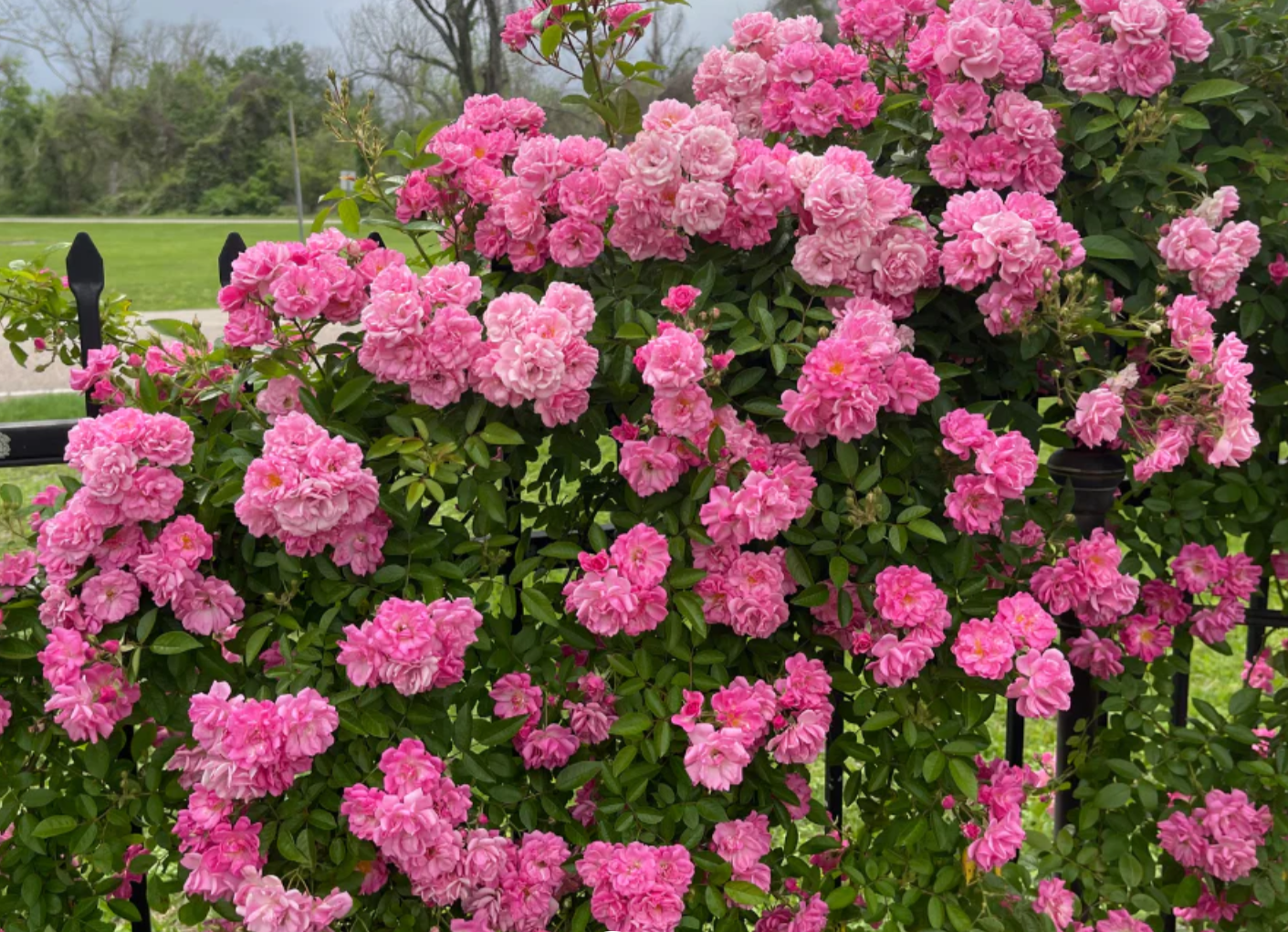
Peggy Martin Key pruning tips:
When: Save Major Cuts for After Bloom in Spring
Maintenance: Cut out dead, diseased, or damaged canes any time.
Shape: Prune to control size and remove crossing branches for better airflow.
Re-bloom: Lightly prune after the spring bloom to encourage a second flowering.
The Incredible Story of Peggy Martin: The Rose That Survived Katrina
Let me tell you about this rose. In 2005, Hurricane Katrina completely destroyed Peggy Martin's garden in Plaquemines Parish, Louisiana. When she finally got back to what was left of her home, everything was gone—except one rose. This unnamed climbing rose had been standing in eight feet of saltwater for two weeks. SALTWATER. And it was still alive, even blooming.
That's when Mike Shoup from the Antique Rose Emporium got involved. He took cuttings, propagated it, and named it in her honor. The Peggy Martin rose became a symbol of survival, resilience, and hope after one of America's worst natural disasters.
Now here in Houston, we've got our own disaster story—that 2021 Valentine's freeze that killed millions of dollars worth of landscaping across Fort Bend County. I saw landscape after landscape devastated. But you know what? The Peggy Martin roses I'd installed? They came back strong. That's the kind of toughness we need in Zone 9a.
Why Peggy Martin Roses Are Perfect for Houston Gardens
Before we get into pruning, let me tell you why this rose is such a winner for Sugar Land, Missouri City, Richmond, and the rest of our area:
Heat Tolerance: This rose laughs at our 100-degree summers. It was born in South Louisiana, so Houston heat is nothing.
Disease Resistance: In our humid climate, black spot and powdery mildew can destroy roses. Peggy Martin shrugs them off.
Low Maintenance: Unlike hybrid teas that need constant babying, this rose is tough as nails.
Massive Bloomer: We're talking about 2-3 inch medium pink blooms covering the entire plant from spring through fall. I've seen them with literally hundreds of blooms at once.
Climbing Power: This rose can climb 10-15 feet easily. Perfect for arbors, fences, or as a sprawling shrub.
Salt Tolerance: Remember, it survived in saltwater. For those of you in coastal areas or dealing with salty irrigation water, this matters.
When to Prune Peggy Martin Roses in the Houston Area
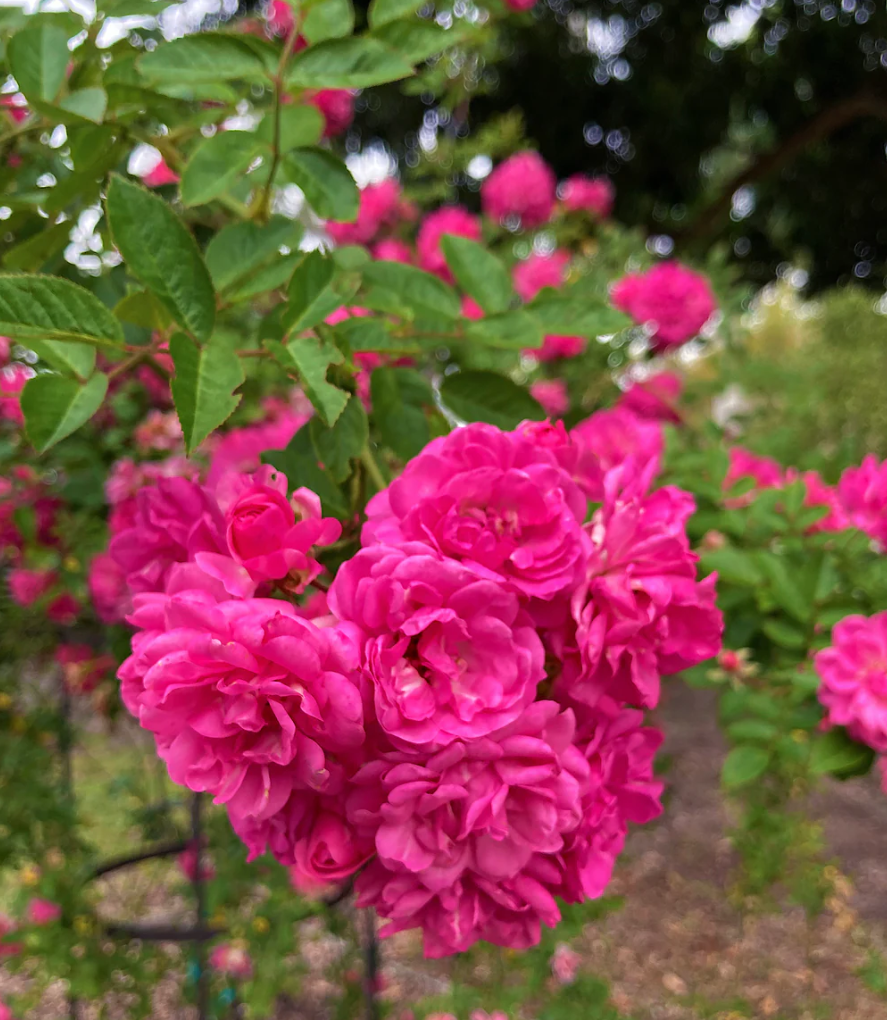
A close-up of the Peggy Martin rose reveals large clusters of clear, medium pink blooms that open from deeper rose-pink buds and soften slightly as they mature. The flowers are semi-double, with gently ruffled petals arranged around visible golden stamens in the center, giving the bloom an open, old-fashioned charm rather than a tightly packed, double form. The color stays fairly consistent pink rather than blending into cream tones, and the petals have a smooth, satiny finish rather than a heavy watercolor gradient.
While lightly fragrant at best, Peggy Martin is prized more for its vigor than perfume. It blooms heavily in spring in a spectacular flush, often covering the plant in masses of flowers, with only occasional repeat blooming later in the season in warm climates like Texas. The canes are long, flexible, and vigorous with moderate thorns, making it ideal for training along fences, arbors, and trellises.
The foliage is medium to dark green and typically healthy, providing a clean backdrop to the bright pink blooms. Its growth habit is climbing and sprawling rather than upright, and in Texas landscapes it is most effective when allowed to climb or cascade, where it can reach impressive lengths and demonstrate the toughness and resilience that made it famous after surviving Hurricane Katrina.
Here's where local timing matters. Forget what those national gardening magazines tell you. This is what works in Fort Bend County:
Best Time for Peggy Martin Rose Pruning Houston? Save Major Cuts for After Bloom.
Peggy Martin roses bloom on old wood. You can remove dead or damaged canes in February, but save major pruning for after the spring bloom (late May or June in Houston) to avoid sacrificing flowers.
Acceptable Time: Late February through Early March for Light Pruning do not do major pruning now.
Tools You'll Need (The Right Way)
Don't go hacking at your rose with dull tools. Here's what you need:
Essential Tools:
Sharp Bypass Pruners: Not anvil pruners—bypass pruners make clean cuts that heal faster. You want something like the Fiskars Pruning Shears that can handle stems up to 3/4 inch.
Loppers: For thicker canes (3/4 inch to 1.5 inches). The Corona ComfortGEL Loppers are what I use on jobs.
Pruning Saw: For really thick, old canes. Sometimes you've got 2-inch diameter wood that needs removal.
Heavy Leather Gloves: Peggy Martin has thorns that mean business. Regular garden gloves won't cut it.
Rubbing Alcohol or Lysol Spray: Clean your tools between plants to avoid spreading disease.
Safety Glasses: Rose canes can snap back. Protect your eyes.
Sharpening Matters
Before you start, sharpen those pruners. A clean cut heals fast. A ragged cut invites disease. I sharpen mine before every pruning season. Takes 10 minutes and makes all the difference.
How to Prune Peggy Martin Roses
Get the Complete Pruning Guide — Free
Todd’s full illustrated guide — the exact way we prune Peggy Martin across Sugar Land and Fort Bend County. Yours to keep and print.
- The one timing rule that saves your spring blooms
- Step-by-step pruning, the right tools, and how to cut
- Feeding, mulching & aftercare that pushes new growth
- 7 mistakes to avoid, plus a year-round rose calendar
- Where to find Peggy — and our Top 10 Houston roses
Just your email, nothing else. No spam — unsubscribe anytime.
Step-by-Step: How to Prune Peggy Martin Roses in Houston
Okay, let's get to it. Here's exactly how I prune Peggy Martin roses for clients across Sugar Land and Fort Bend County:
Step 1: Assess Your Rose's Structure (5-10 minutes)
Walk around your rose before making any cuts. Look for:
Dead canes: Gray, brittle, no green inside when scratched
Diseased canes: Black spots, cankers, odd discoloration
Crossing canes: Rubbing against each other creates wounds
Weak, spindly growth: Thin canes that won't support blooms
Old, nonproductive wood: Thick canes with little new growth
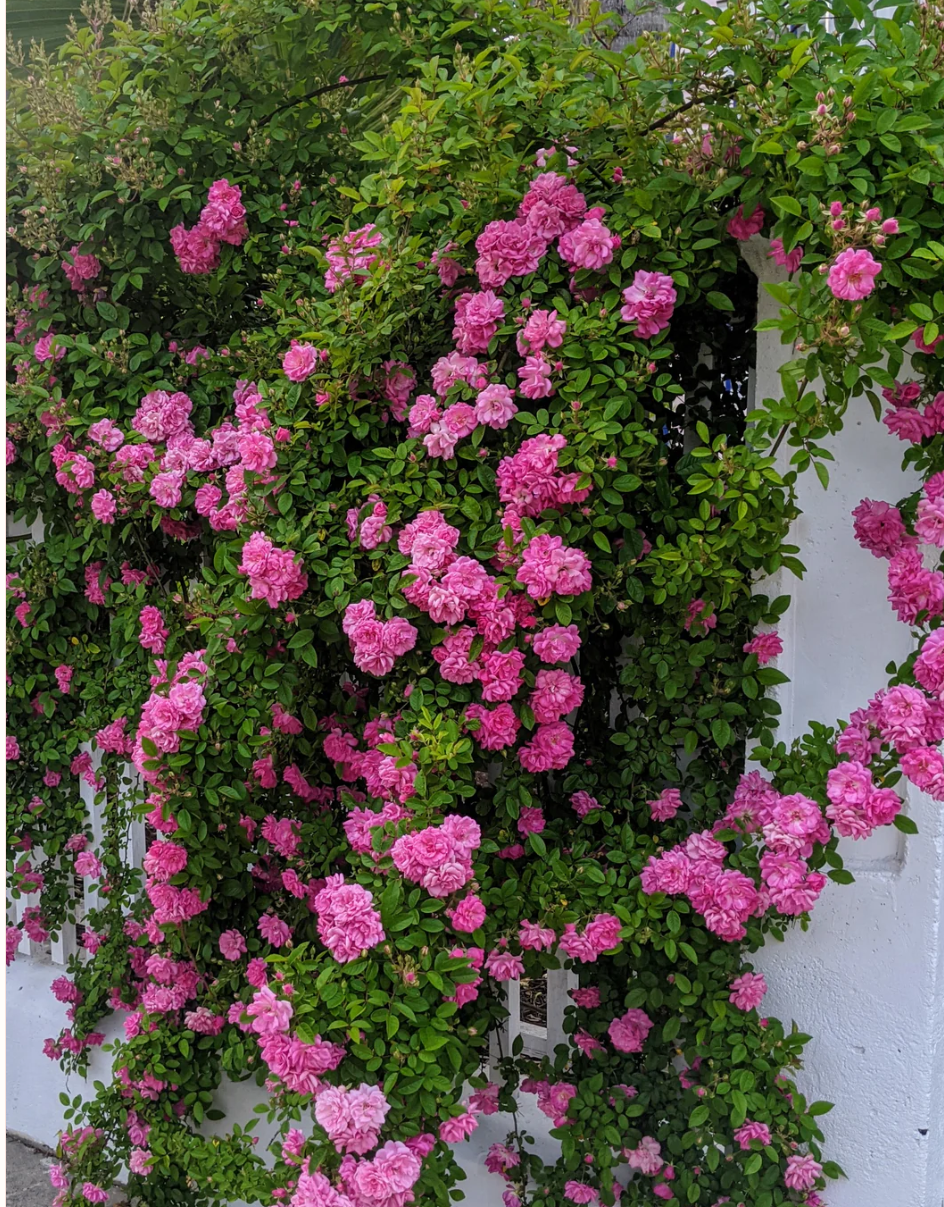
The Peggy Martin rose, famously dubbed the "Hurricane Katrina rose," is a remarkably vigorous climbing rose prized for its toughness and low-maintenance habit. Known for its rapid growth, abundant clusters of fragrant, medium-pink blooms, and glossy, disease-resistant foliage, it thrives with minimal pruning, fertilizer, or spray compared with many other roses. Ideal for fences, arbors, and mixed hedgerows in hot, humid climates like Houston, Peggy Martin tolerates heat, humidity, and occasional neglect while rebounding quickly from damage. For gardeners seeking a resilient, showy climber that delivers season-long color with straightforward care, the Peggy Martin is a top-performing choice.
Take mental notes or even grab your phone and take pictures. Having a plan beats random cutting.
Step 2: Remove the 4 D's (Dead, Diseased, Damaged, Dying)
Start with the obvious problems:
Dead Wood: Cut it back to green, living tissue. Scratch the bark—if you see green underneath, it's alive. Brown or gray all the way through means it's dead.
Diseased Wood: Any cane with cankers, black spots, or odd discoloration needs to go. Cut 6 inches below the problem area into healthy wood.
Damaged Wood: Broken, cracked, or split canes invite pests and disease. Remove them entirely.
Dying Wood: Weak, withered canes that are barely hanging on. They're stealing energy from healthy growth.
Step 3: Thin Out Crossing and Crowded Canes
Peggy Martin is a vigorous grower. Without thinning, the center gets congested, trapping humidity and inviting disease.
Peggy Martin roses bloom on old wood. You can remove dead or damaged canes in February, but save major pruning for after the spring bloom (late May or June in Houston) to avoid sacrificing flowers.
Goal: Open up the center for air circulation
Method: When two canes cross, keep the stronger, healthier one. Remove the weaker cane at its base.
Don't Be Shy: You can remove 20-30% of the canes on a mature Peggy Martin and it'll thank you with better blooms and healthier growth.
Step 4: Shape and Direct Growth
Now you're making artistic decisions: Peggy Martin roses bloom on old wood. You can remove dead or damaged canes in February, but save major pruning for after the spring bloom (late May or June in Houston) to avoid sacrificing flowers.
For Climbers on Arbors/Fences: Keep the strongest main canes (3-5 of them) and remove everything else. Train these horizontally along your structure. This creates more blooms along the entire length.
For Shrub Form: Keep 5-7 strong canes and prune them back by about one-third. This encourages bushier, more compact growth.
For Groundcover: Let the rose sprawl but remove any canes shooting straight up. Keep it low and spreading.
Step 5: Make Proper Cuts
This is where good pruning becomes great pruning:
The 45-Degree Rule: Cut at a 45-degree angle, about 1/4 inch above an outward-facing bud. The angle sheds water away from the bud.
Outward-Facing Buds: Always cut above a bud that points away from the center of the plant. This directs new growth outward, keeping the center open.
Clean Cuts: One smooth cut. No sawing back and forth with pruners, which crushes the stem.
Don't Leave Stubs: Cut close to the parent cane but don't damage the collar (that swollen area where branches join). The collar has special cells that heal wounds.
Step 6: Size Consideration for Houston Climates
Here's the thing about Peggy Martin in Houston—it grows FAST. Like, scary fast. I've seen them put on 6-8 feet of growth in a single season.
If You Want Control: Prune back hard—cut canes to 2-3 feet. It'll still grow back vigorously but you'll have a more manageable size.
If You Want Coverage: Light pruning only. Just remove dead/diseased wood and shape minimally. Let it go wild.
My Recommendation for Most Houston Gardens: Moderate pruning. Cut canes back to 4-5 feet. This gives you control while still showcasing the rose's natural vigor.
Step 7: Clean Up and Disposal
Don't leave pruned material lying around:
Remove All Clippings: Gather every twig and leaf. Diseased material can reinfect your plants.
Trash It, Don't Compost It: Rose diseases can survive in compost. Bag it and put it in the trash.
Clean Your Tools: Spray with rubbing alcohol or Lysol. This prevents spreading problems to your next plant.
After Pruning: The Critical Next Steps
You're not done when the pruning's finished. Here's what separates amateur pruning from professional results:
Immediate Post-Pruning Care:
1. Feed Your Rose
Your Peggy Martin just got a major haircut. Now it needs nutrition to push out all that new growth.
My Recommendation: Use an organic fertilizer like Heirloom Roses Founder's Fish Fertilizer. It's what we use on client gardens throughout Sugar Land. Apply according to package directions.
Alternative: If you prefer granular, Aged Cow Manure and Mint Compost worked into the soil provides slow-release nutrition.
Garden Guy Approved: I recommend fish emulsion for roses in February.
Application Timing: Feed within a week of pruning. The rose needs that nutrition boost right away.
2. Mulch Properly
After feeding, apply 2-3 inches of mulch:
Why: Mulch regulates soil temperature, retains moisture, and prevents weeds
What: Use pine bark mulch or hardwood mulch—avoid dyed mulches
How: Keep mulch 3-4 inches away from the base of the plant (prevents rot)
3. Water Deeply
Even though it's winter/early spring, your rose needs water after pruning:
Immediately After Pruning: Give it a good deep watering
Following Weeks: Water when the top 2 inches of soil feels dry
As Growth Starts: Increase watering frequency—new growth needs moisture
4. Watch for Pests and Disease
The pruning wounds are healing. This is when problems can sneak in:
Look For:
Aphids on new growth (spray with water or use insecticidal soap)
Cane borers entering cut stems (seal large cuts with wood glue if concerned)
Fungal spots on new leaves (usually not an issue with Peggy Martin but watch anyway)
Prevention: Good air circulation from proper pruning prevents most problems
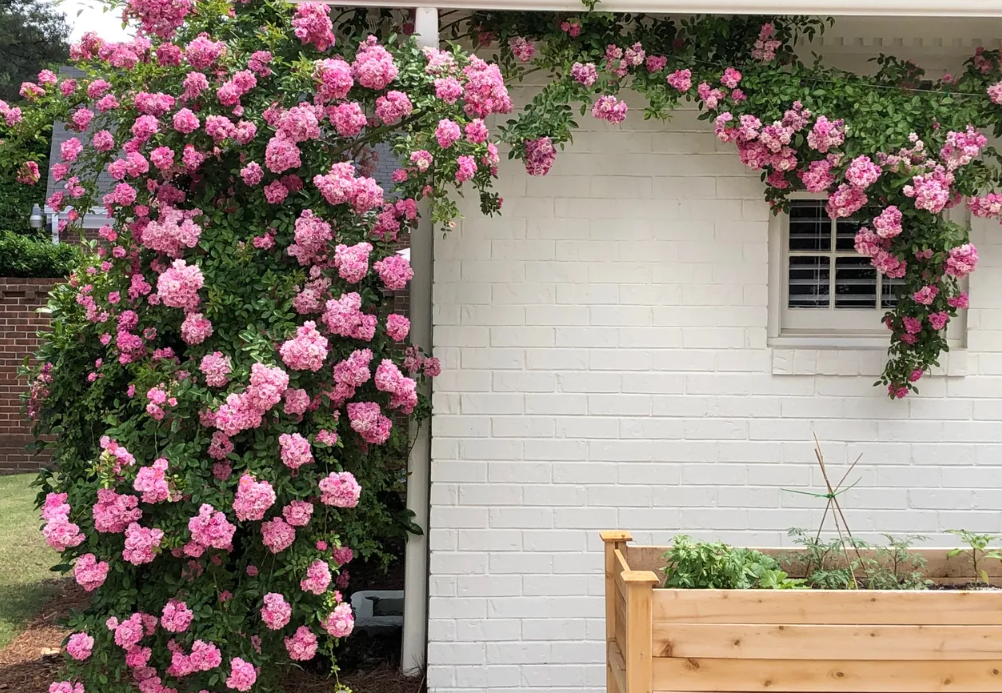
Peggy Martin climbing rose covered in abundant light pink blooms growing along a white brick house.
How to Prune Peggy Martin Roses
Get the Complete Pruning Guide — Free
Todd’s full illustrated guide — the exact way we prune Peggy Martin across Sugar Land and Fort Bend County. Yours to keep and print.
- The one timing rule that saves your spring blooms
- Step-by-step pruning, the right tools, and how to cut
- Feeding, mulching & aftercare that pushes new growth
- 7 mistakes to avoid, plus a year-round rose calendar
- Where to find Peggy — and our Top 10 Houston roses
Just your email, nothing else. No spam — unsubscribe anytime.
Common Peggy Martin Pruning Mistakes in Houston Gardens
I've seen these mistakes dozens of times across Fort Bend County. Don't make them:
Mistake #1: Pruning Too Early & Too Much
Pruning in December might seem smart, but it stimulates new growth that can get zapped by January freezes. Wait until late January/early February. Peggy Martin roses bloom on old wood. You can remove dead or damaged canes in February, but save major pruning for after the spring bloom (late May or June in Houston) to avoid sacrificing flowers.
Mistake #2: Pruning Too Late
Pruning in April means you're cutting off spring bloom buds. You'll lose your early flush of flowers. Stick to the January-February window.
Mistake #3: Cutting Canes Too Short
Peggy Martin is a climber. Cutting it back to 12 inches like you would a hybrid tea rose defeats the purpose. Leave 3-5 feet of cane unless you're going for groundcover form.
Mistake #4: Leaving Dead Wood
"It might come back." No, it won't. Dead is dead. Remove it. It's a highway for pests and disease.
Mistake #5: Using Dull Tools
Dull tools crush stems instead of cutting cleanly. The ragged wounds heal slowly and invite problems. Sharpen your tools.
Mistake #6: Over-Thinning
Yes, you need to thin. But removing 50% of the canes is overkill. Aim for 20-30% removal. You're encouraging air flow, not scalping the plant.
Mistake #7: Cutting Above Inward-Facing Buds
This directs new growth into the center of the plant, creating congestion. Always cut above outward-facing buds.
Mistake #8: Forgetting to Feed After Pruning
Pruning without feeding is like asking your rose to run a marathon without breakfast. Feed it.
Maintenance Pruning Throughout the Growing Season
February pruning is your major renovation. But you'll do light maintenance all year:
Spring/Summer (March-August):
Deadhead spent blooms (not required but promotes reblooming)
Remove any diseased foliage immediately
Prune out any dead wood you spot
Remove suckers growing from the base if grafted
Fall (September-November):
Stop deadheading in October (let hips form for winter interest)
Remove only dead/diseased material
No heavy pruning—you don't want to stimulate new growth before winter
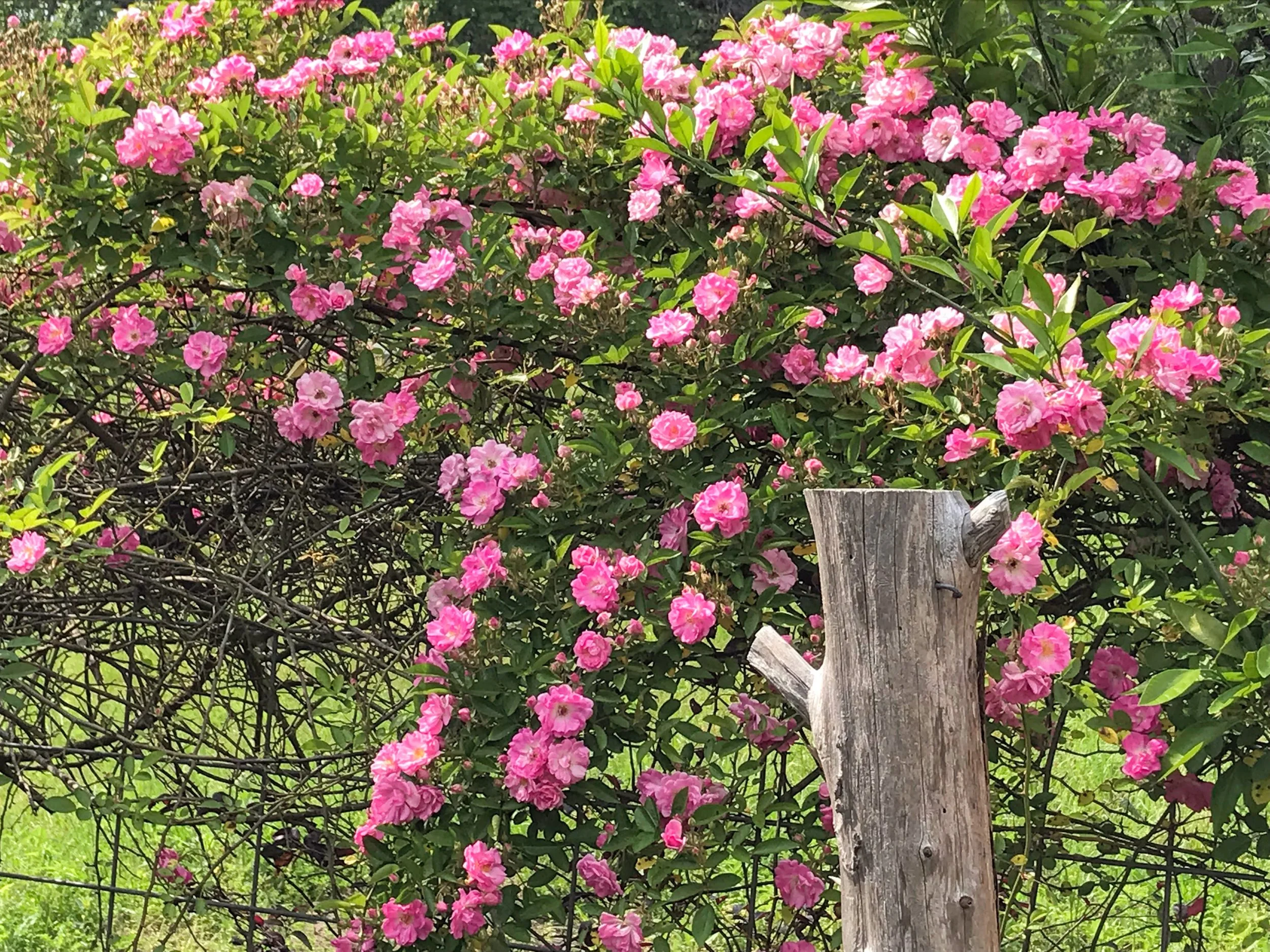
Peggy Martin rose is a vigorous climbing rose known for its cascading clusters of light pink blooms each spring. This thornless, old-wood bloomer thrives in Houston’s climate and delivers an abundance of flowers on strong, arching canes. This is an image of our own Peggy in Fayette County, Texas
Special Considerations for Houston's Microclimates
Fort Bend County isn't uniform. Your location affects your pruning strategy:
Coastal Areas (Closer to Galveston Bay):
Salt tolerance is Peggy Martin's superpower—but rinse foliage with fresh water after salt spray
Wind damage is common—prune to maintain lower profile
May need more frequent thinning due to faster growth from humidity
Inner Loop/Urban Houston:
Heat island effect means earlier spring growth—watch your pruning timing
Reflected heat from buildings and concrete can stress roses—ensure adequate water
Air pollution can weaken plants—monthly foliar feeding helps
West Fort Bend (Fulshear, Simonton):
Slightly cooler nights extend bloom season
Clay soil holds water—ensure excellent drainage
You can prune slightly later (mid-February) due to later spring
Sugar Land/Missouri City:
Perfect middle ground for roses
Standard timing and techniques work great
Our soil ranges from clay to loam—amend with compost annually
Where to Get Your Own Peggy Martin Rose
Now you're probably thinking, "I need this rose!" Here's where to find them:
Cornelius Nurseries: Multiple Houston locations, often stock Peggy Martin in 3-5 gallon containers. Call ahead to check availability.
Antique Rose Emporium: THE source for Peggy Martin. They're located in Brenham (just up Highway 290). They ship, or you can visit their beautiful display gardens.
What About Online?: Peggy Martin isn't in our Garden Guy Amazon store yet, but we stock other fantastic Heirloom Roses varieties that ship direct to your door, including:
Belinda's Dream Blush (Blush Pink, Texas superstar rose)
Mister Lincoln (Red, classic fragrance)
California Dreamin' (Creamy white with pink edges, heat tolerant)
Cecile Brunner (My favorite!! Soft pink and fabulous! Perfect for play areas)
New Dawn (Pink climber, cold hardy)
These all perform beautifully in Houston and prune the same way as Peggy Martin.
Supplies You'll Need Year-Round
Building a proper rose care toolkit makes pruning and maintenance easier. Here's what we keep on our Garden Guy trucks for rose jobs:
Essential Tools:
Fiskars Pruning Shears - Sharp, reliable, comfortable
Corona Loppers - For thicker canes
Heirloom Roses Founder's Fish Fertilizer - Organic, effective nutrition
Aged Cow Manure and Mint Compost - Soil amendment and mulch
Soil Amendments:
Eden Organic Neem Cake - Slow-release nitrogen, pest deterrent
Compost - Add annually
Disease/Pest Management:
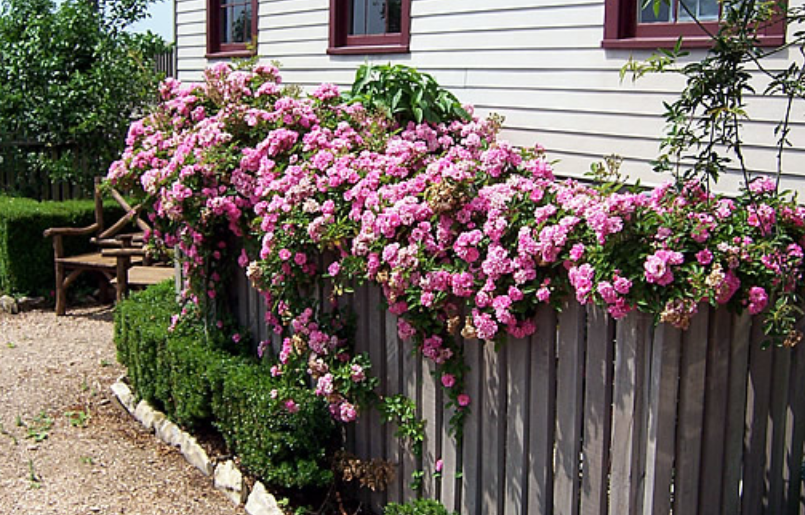
The Pink Peggy Martin rose trains beautifully along a fence, its vigorous canes weaving through pickets and trellis to create a living curtain of ruffled, mid-pink blooms that last from spring into fall; hardy and disease-resistant, this rose tolerates Houston heat and humidity better than many old-fashioned varieties, and its repeat-flowering habit combined with glossy green foliage makes it an ideal choice for turning a plain fence into a fragrant, cottage-style focal point while providing quick coverage and seasonal interest.
Bottom Line: Pruning Peggy Martin Roses in Houston
Here's what you need to remember:
Peggy Martin roses bloom on old wood. You can remove dead or damaged canes in February, but save major pruning for after the spring bloom (late May or June in Houston) to avoid sacrificing flowers.
✅ Lightly Prune late January through early February save major pruning for after the spring bloom (late May or June in Houston) to avoid sacrificing flowers.✅ Remove the 4 D's: Dead, Diseased, Damaged, Dying wood ✅ Thin for air circulation but don't overdo it (20-30% removal max) ✅ Make clean, angled cuts above outward-facing buds ✅ Feed immediately after pruning with quality organic fertilizer ✅ Use sharp, clean tools to prevent disease spread ✅ Consider your goal: climber, shrub, or groundcover form
Peggy Martin is a survivor. She's tough enough to handle Houston heat, humidity, occasional freezes, and even beginner pruning mistakes. But give her proper pruning, and she'll reward you with massive displays of pink blooms from spring through fall.
After 30+ years managing landscapes across Fort Bend County, I can tell you that Peggy Martin is one of the best roses for our area. Low maintenance, high impact, and a great story to boot.
Need Help With Your Roses?
If you're looking at your Peggy Martin rose thinking, "I should probably just hire someone," we've got you covered.
Garden Guy Inc. has been pruning roses across Sugar Land, Missouri City, Richmond, and Fort Bend County since 1991. We know exactly how to handle Texas roses in our specific climate.
Visit our Amazon storefront for rose supplies that ship straight to your door: Garden Guy + Gal Amazon Store
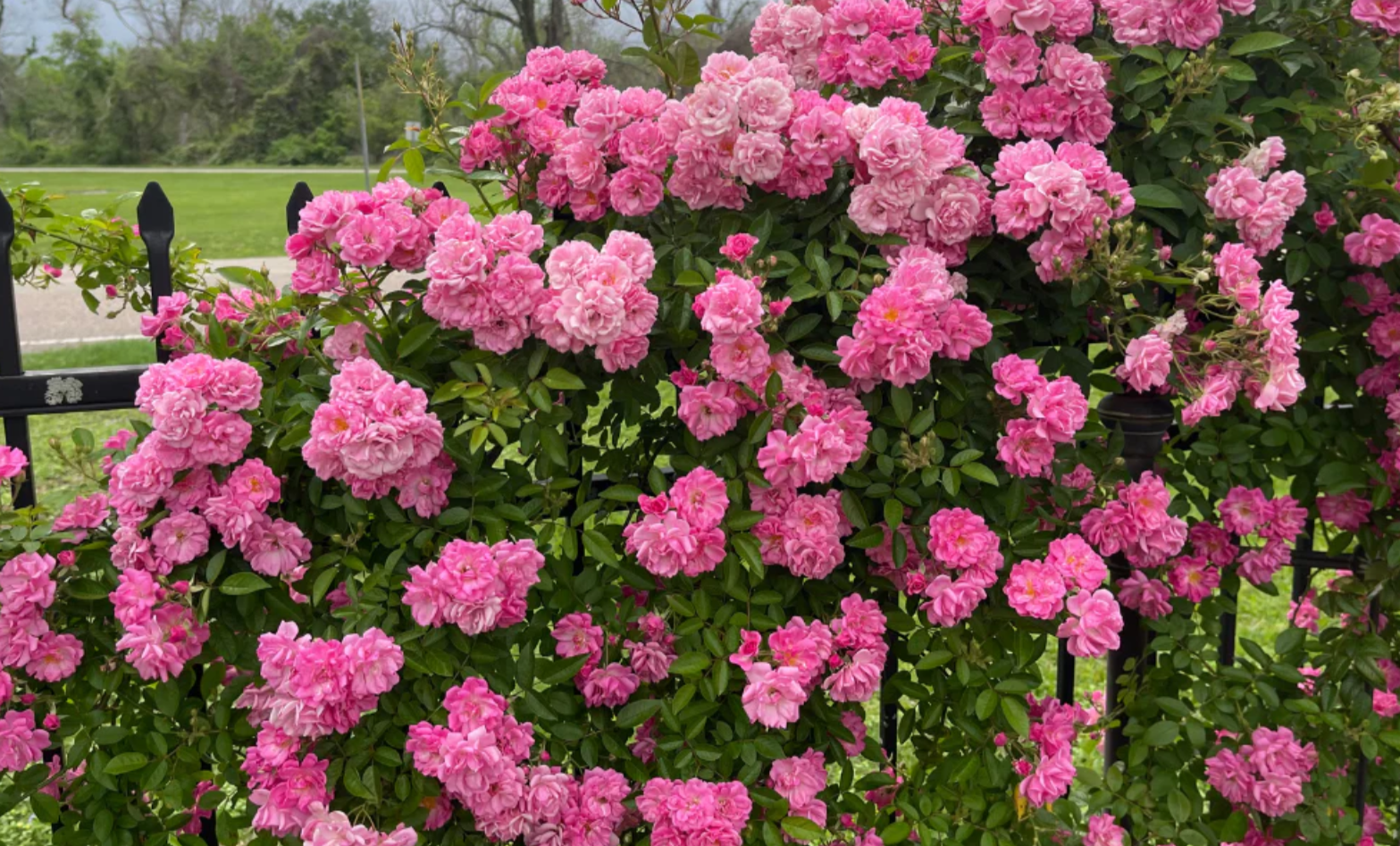
The Peggy Martin rose is a rugged, disease-resistant shrub rose prized for its prolific clusters of semi-double, deep pink to coral blooms that fade to a softer salmon with age; originally discovered surviving Hurricane Katrina in an abandoned New Orleans garden, this cultivar is celebrated for its resilience to heat, humidity, and poor soils, making it ideal for Houston landscapes where blackspot and rust can be problems. It grows vigorously to about 4–6 feet tall and wide, tolerates both full sun and light shade, responds well to regular pruning to maintain shape and promote rebloom, and offers a long flowering season with a light, sweet fragrance—an excellent choice for low-maintenance beds, hedges, or mixed borders in coastal and Gulf climates.
Happy pruning! ( WHEN THE TIME IS RIGHT). Your Peggy Martin rose is about to put on a show that'll make your neighbors jealous.
Todd Farber - Garden Guy Inc. | Serving Fort Bend County Since 1991
